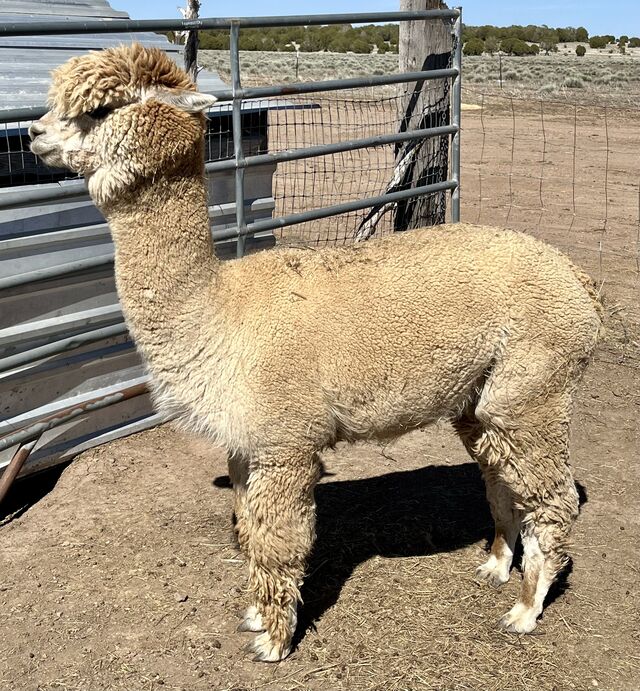
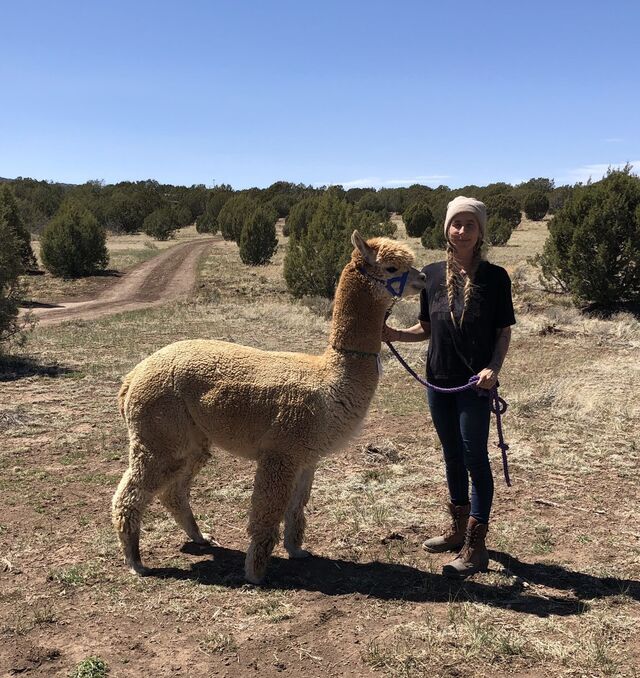
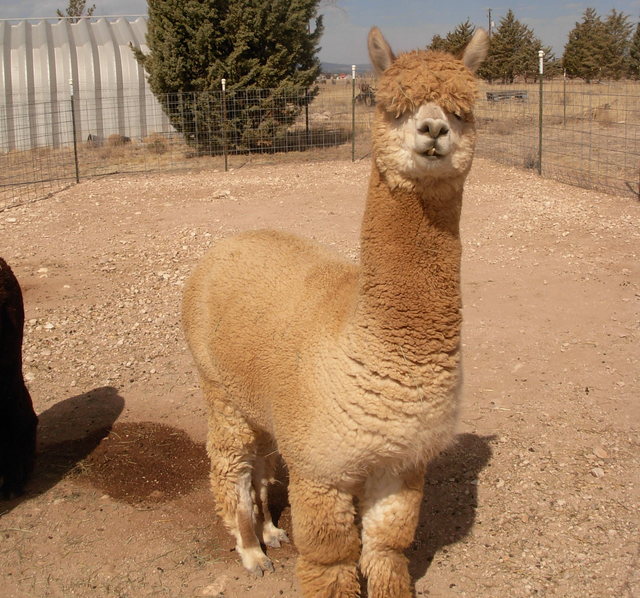
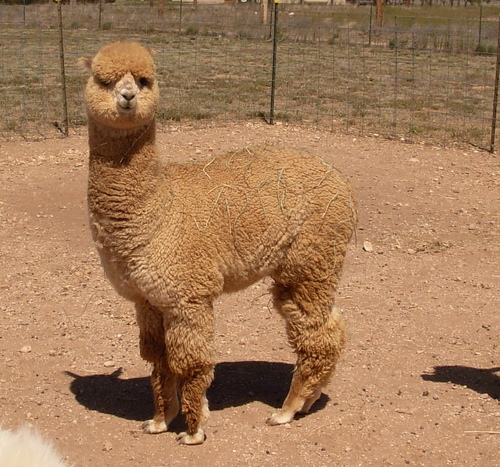
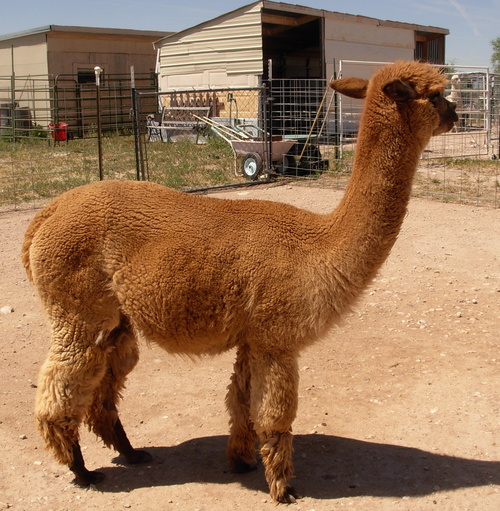

AZA Apache Gold

Proven Herdsire of quality offspring

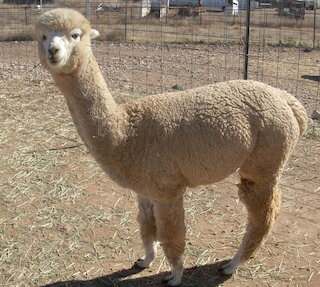
Alpaca , Huacaya , Herdsire (Male) |Proven |Light Fawn

AOA# 35079354 | DOB: 6/14/2016

Sire: TPS Sebastian by Skywalker
 
Dam: Noeme

Top 15% EPDs Proven Producer

Noeme

Huacaya Bred (Female) Medium Fawn

AOA# 32307078 DOB: 8/18/201016 yrs
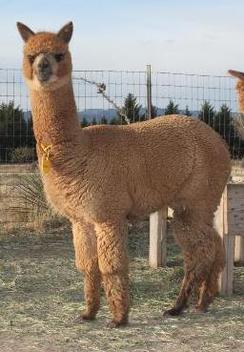
Noeme 2015
Goes by Eme. Eme is an excelled mama that produces beautiful hardy offspring! She is one of the sweetest ladies on the farm & one of our favorites. Her fawn fleece is great to work with! It spins & felts beautifully! Eme is halter trained and walks on a lead no problem. And she will eat pellets from your hand! She is a great choice for a breeding female for a starter herd!
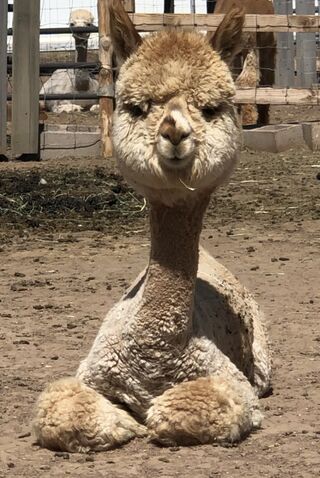
  | AOA# 32307078 | Medium Fawn
Sold
Ask a question
Details
Apache is a gorgeous male & herd sire at the peek of his breeding career! He has produced beautiful offspring every time!
He is well-handled & halter trained!


Start making your own alpaca babies with a proven herd sire like Apache and you won't be disappointed!


Update: Fiber Density stats

Data Details: Density: 79.0/mm Secondary: Primary fiber Ratio: 12.1:1
In-skin mean primary fiber diameter: 22.8 / Standard Deviation 2.7
In-skin mean secondary fiber diameter 19.2/ Standard Deviation 2.7

Report Comments: Very good density with two highly uniform fiber populations and a very good fiber population differential of 3.6 microns. These are very good numbers for a fawn alpaca Sire!


Awards
Skin Biopsy Report
The ORIGINAL 100% Alpaca Density Test™
Date of test: 26 May 2020
Alpaca Name: AZA Apache Gold
Owner name and address: Noreen Vaughan
Paulden AZ
Alpaca breed: Huacaya
Alpaca age: 44 months
Alpaca color: Light Fawn
Alpaca sex: Male
Data details:
Density: 79.0 /mm
Secondary: Primary fiber ratio: 12.1:1
In-skin mean primary fiber diameter: 22.8µ Standard Deviation: 2.7 µ Range: 16.9 µ to 27.9 ?
In-skin mean secondary fiber diameter: 19.2µ Standard Deviation: 2.7 µ Range: 12.9 µ to 28.7 ?
Comments:
Very good density with two highly uniform fiber populations and a very good fiber population differential of 3.6 microns.
These are very good numbers for a fawn alpaca sire!
Looking forward…
The aim is to produce primary fibers that are so fine as to be virtually indistinguishable from the secondary fibers.
This is an important point.
Primary and secondary fibers need to be increased in number (by selective breeding) in order for the number of follicles per group (expressed as S/P ratio) and follicle density (expressed as follicles per square millimeter) to increase. As follicle numbers per follicle group increase the pressure on the primary hair to perform like a secondary is increased and so they become less and less distinguishable within a staple or lock.
This will increase fleece weight
By reducing primary fiber diameter, ‘guard hair’ is also eventually eliminated.

Updated 10/2/2025